
Dental Email Marketing Built on the Patients You Already Have
Every dental marketing conversation eventually turns to acquisition. New patients, new leads, a fuller schedule from search or ads. Understandable, because an empty chair feels urgent in a way a dormant email list doesn't. But most practices are sitting on a second growth channel they've never properly worked, and it doesn't require a dollar of ad spend to reach it: the patient who's six months overdue for a cleaning, the patient who hasn't been seen in two years, the treatment plan a patient said "let me think about it" to eight weeks ago. That's not a marketing problem in the traditional sense. It's a data problem, and the data already lives in your practice management system.
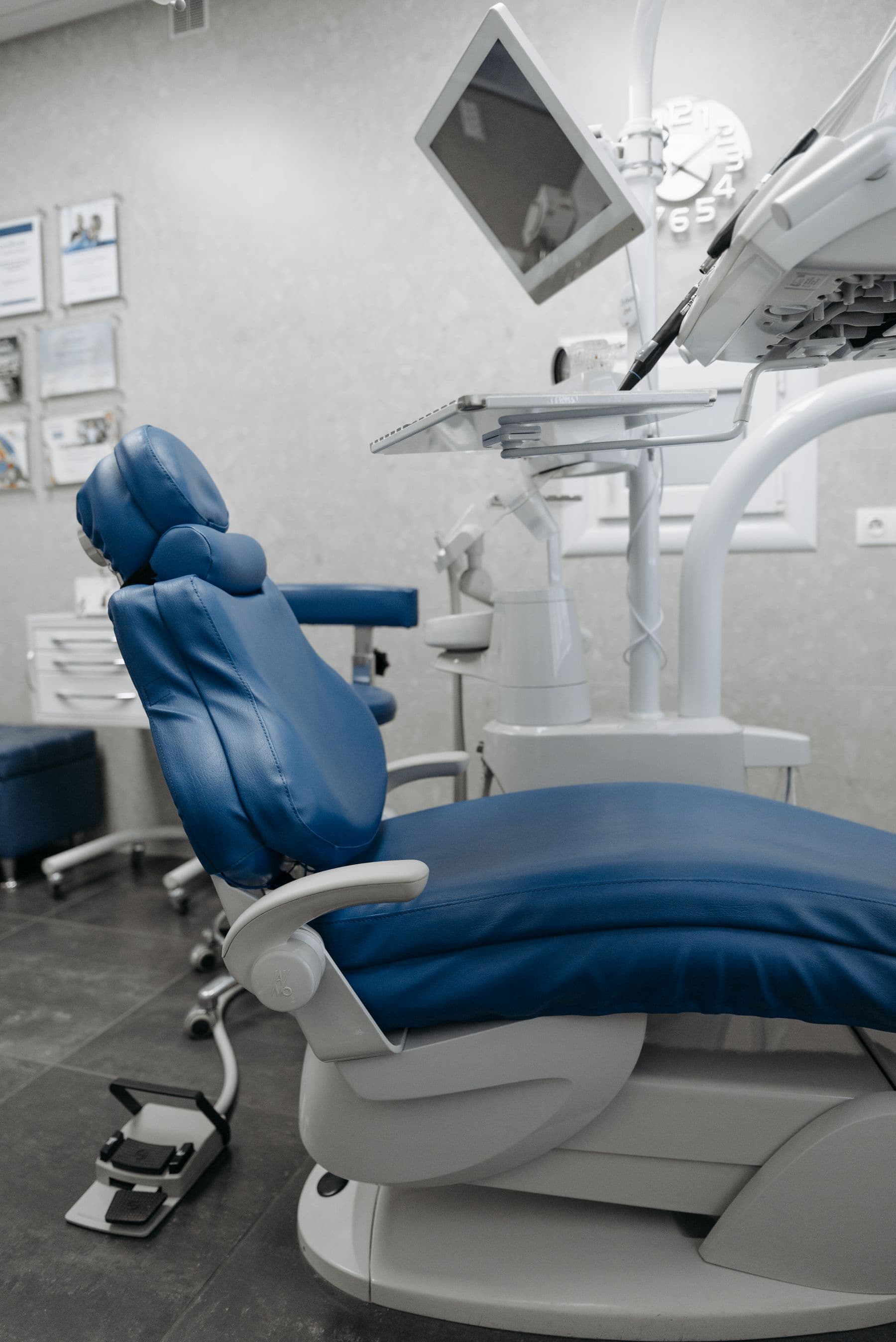
Patients don't reliably remember when they're due. A well-timed email or text does that remembering for them.
- Runs alongside AI + Automation
- Runs alongside Content Marketing
- Runs alongside Analytics & Reporting
What the work includes
Scope is written down before we start, so there is no argument later about what was covered.
- List hygiene and consent review before the first send
- Recall, reactivation and treatment follow-up sequences built from your practice management system's own data
- Segmentation over broadcasting, with frequency caps you actually agree to
- Templates that render correctly on a phone, where most patients actually read email
- A send calendar coordinated with what your front desk can actually handle
The three campaigns that actually move revenue
Recall. This is the highest-volume, most predictable opportunity most practices leave on the table. A recall sequence timed to each patient's actual due date, not a blanket monthly blast to the whole list, closes a gap that would otherwise be left entirely to chance and front desk bandwidth.
Reactivation. Patients who haven't been seen in twelve, eighteen, or twenty-four-plus months haven't necessarily switched to a competitor. Often they've just drifted, moved, gotten busy, or had a bad experience with scheduling that had nothing to do with clinical quality. A reactivation sequence that's honest and doesn't read as desperate, no guilt-tripping, no "we miss you" theatrics, can recover a meaningful share of a list most practices have functionally written off.
Treatment follow-up. Arguably the highest-value use of email in a dental practice, because the hard part is already done. The patient has been examined, diagnosed and quoted. What's usually standing between the quote and the booked appointment isn't a lack of need, it's timing, cost anxiety, or a busy week that turned into a busy quarter. A follow-up sequence that answers the objection they didn't voice, financing options, what happens if they wait, a clear next step, closes cases that a single in-office conversation didn't.
Why a generic newsletter approach doesn't work here
A monthly newsletter blasted to the entire list treats every patient identically, the person who was in last week and the person who hasn't been seen since before the pandemic get the same email. Real lifecycle email requires knowing who's actually due for what, and that information lives in appointment history, treatment plan status and last visit date inside your practice management system, not in a general-purpose email tool's default contact fields.
Where a PMS supports a native integration, we connect to it directly. Where it doesn't, a scheduled export keeps segments current without someone manually pulling lists every month. Either way, the sequences are built from real patient status, not guesswork.
Consent and list hygiene before anything goes out
Before the first send, the list gets reviewed: who's actually opted in, who unsubscribed through a previous system that never synced properly, who's a duplicate or dead entry left over from a platform migration three years ago. Sending to a stale or non-consenting list is both a deliverability risk and, depending on where you practice, a compliance risk. This step is not optional and it's not skipped under deadline pressure.
What keeps it from reading like a blast
Segmentation, not broadcasting. Reactivation messaging goes specifically to patients who have gone quiet, not to someone who was in the chair three weeks ago.
Frequency caps you actually agree to. There's no default "how much is too much." That's decided with your team based on your patient base, not imposed from a template.
Templates that render correctly on a phone, because that's where the overwhelming majority of patients read email. A sequence that looks perfect on a desktop preview and breaks on mobile is a sequence that doesn't get read.
A send calendar coordinated with front desk capacity. A reactivation campaign that generates forty booking calls on a Tuesday the front desk isn't staffed for creates its own new problem.
The platform is usually whatever you already have
There's rarely a good reason to add a new subscription and a new login for your team if your current email platform can do the job. We build on what you already pay for wherever it's capable of the segmentation and integration the sequences require. If it genuinely can't, we'll say so plainly and walk through what migrating would cost before recommending it, not after you've already committed.
Email Marketing does not work in isolation
We run this alongside the rest of the plan so the reporting stays honest. If email is the only thing you need from us, we will say so, and we will not sell you a bundle to reach a number.
Every engagement is reviewed monthly. If a service is not earning its fee, it is our job to raise it before you do.

Questions about email
If your question is more specific, send it over. A specialist answers, not a sales inbox.
Ask us something specificWon't this annoy patients who are already happy with us?
Frequency is capped and agreed with you in advance, and reactivation messaging is targeted specifically at patients who have gone quiet. A patient seen three weeks ago isn't getting a "we miss you" email, because the segmentation is built to prevent exactly that.
Can it really pull data from our practice management system?
In most cases, yes, either through a native integration where your PMS supports one, or through a scheduled export where it does not. We confirm the specific method during onboarding rather than assuming compatibility upfront.
Which email platform do you use?
Whichever you already have, if it can support the segmentation and integration this requires. If it can't, we'll explain exactly why and what the alternative costs before anyone considers switching.
How do you actually measure whether it's working?
Opens and clicks get tracked as context, but the number that matters is appointments attributed directly to email: patients who booked as a result of a recall, reactivation or follow-up send. That gets reported monthly, alongside every other channel, using the same conversion definitions.
What about patients who've unsubscribed or never opted in?
Excluded before the first send, every time. List hygiene and consent review happen up front specifically so sequences never land in front of someone who shouldn't be receiving them.
Next service
Reputation ManagementSee what's sitting untapped in your patient list
A free look at what's sitting untapped in your patient list takes us about a week and costs nothing to find out. No new list-building required, just an honest read of what your existing data is already worth.
What you get
- A written summary, not a sales deck
- Reviewed by the strategist who would run your account
- No obligation, and no drip campaign afterwards